How Competitive Basketball Builds Strong Leadership Qualities
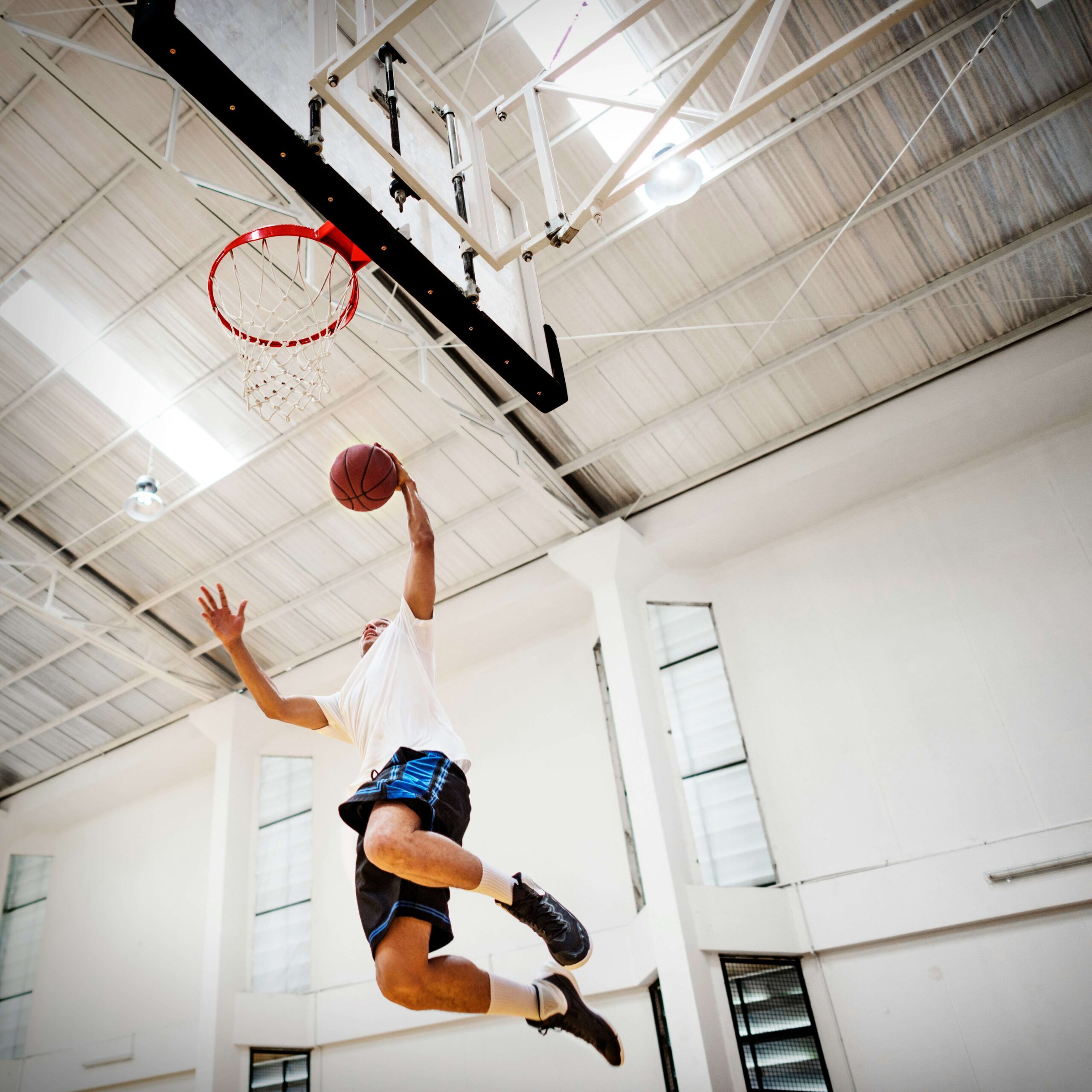
Competitive basketball offers more than physical exercise, exciting games, and opportunities to win championships. It also provides valuable experiences that help players develop essential leadership qualities. Every game presents situations that require communication, teamwork, discipline, confidence, and quick decision-making. Players learn how to handle challenges, support teammates, and take responsibility for their actions.
Leadership is not limited to team captains or the most talented athletes. Any player can demonstrate leadership through positive behavior, consistent effort, and a willingness to help others improve. By playing competitive basketball, athletes develop important personal and social skills that benefit them on and off the court.
Learning Responsibility Through Team Competition
Responsibility is one of the most important qualities of an effective leader. In competitive basketball, every player has a specific role and must understand how individual actions affect the entire team. Whether playing offense, defending opponents, or supporting teammates from the bench, everyone contributes to the team’s performance.
Competitive games teach athletes to accept responsibility for their decisions. Missing an important shot, making a defensive mistake, or losing possession can affect a game’s outcome. Instead of blaming others, responsible players learn to recognize their mistakes and focus on improvement.
Coaches can strengthen this quality by assigning different responsibilities to players during practices and competitions. These opportunities encourage athletes to become dependable teammates who understand the importance of commitment and accountability.
Improving Communication and Team Coordination
Strong leaders communicate clearly and respectfully. Basketball requires constant interaction because players must share information, call defensive switches, organize offensive movements, and recognize opportunities.
Competitive situations help athletes develop communication skills under pressure. When the game intensifies, players must give clear instructions while staying focused on their responsibilities. They also learn to listen carefully to coaches and teammates.
For example, a point guard often communicates offensive strategies and helps organize the team’s movements. However, players in other positions can also demonstrate leadership by encouraging teammates, identifying defensive problems, and offering useful suggestions.
Regular communication builds trust and reduces confusion. As athletes become more comfortable expressing their ideas, they develop the confidence needed to guide others.
Building Confidence Through Challenging Situations
Confidence plays an important role in successful leadership. Basketball competitions regularly put players in unfamiliar, demanding situations that require them to trust their abilities.
A close game, a difficult opponent, or an important free throw can create pressure. Athletes who learn to manage these moments become more comfortable making decisions and taking responsibility.
Coaches can help players develop confidence by creating realistic competitive situations during practice. Scrimmages, timed shooting challenges, and defensive competitions allow athletes to experience pressure in a controlled environment.
Confidence also grows through preparation. Players who practice consistently understand their strengths and recognize areas that need improvement. This knowledge helps them make better decisions and encourage teammates with more confidence.
Developing Decision-Making and Problem-Solving Skills
Basketball is a fast-moving sport that requires athletes to make decisions within seconds. Players must evaluate defensive positions, identify open teammates, select appropriate shots, and adjust their strategies as the game develops.
These experiences help develop leadership because effective leaders must analyze situations before choosing the best response. Competitive basketball encourages athletes to think independently while considering their teammates’ needs.
For instance, a player may need to decide whether to shoot, pass to an open teammate, or slow the offense down. Each decision can influence the team’s success.
Coaches can encourage better judgment by discussing important game situations after practices and competitions. Reviewing different options helps athletes understand their decisions and develop stronger problem-solving abilities.
Strengthening Discipline and Mental Toughness
Discipline helps athletes stay committed to their responsibilities, even when competition becomes difficult. Basketball players must follow training schedules, maintain physical fitness, practice fundamental skills, and respect team rules.
Competitive basketball also develops mental toughness by exposing athletes to setbacks. Losing games, receiving criticism, and making mistakes can challenge a player’s confidence. However, these experiences teach athletes how to remain determined and maintain a positive attitude.
Strong leaders understand that success requires patience and consistent effort. They do not give up when circumstances become challenging. Instead, they encourage teammates to stay focused and continue working toward shared goals.
Developing mental toughness also helps athletes manage frustration and respond to difficult situations with maturity.
Practicing Empathy and Supporting Teammates
Leadership involves understanding other people and recognizing their needs. Basketball brings together players with different personalities, abilities, and experiences. Learning to cooperate with these individuals helps athletes develop empathy and respect.
Supportive players recognize when teammates need encouragement after making mistakes or experiencing difficult moments. They offer constructive advice instead of criticism and celebrate others’ achievements.
Competitive environments also teach athletes to appreciate different contributions. A player who scores fewer points may still provide excellent defense, strong rebounding, or effective passing.
When players recognize these contributions, they create a more supportive team culture. This environment encourages cooperation and helps everyone feel valued.
Leading by Example Through Consistent Effort
One of the strongest ways to demonstrate leadership is through personal behavior. Players who arrive on time, follow instructions, work hard during practice, and respect opponents set positive examples for their teammates.
Leading by example matters because actions often speak louder than words. Athletes who consistently show discipline and determination naturally earn others’ respect.
Coaches should encourage players to take initiative without waiting for formal leadership positions. Helping a teammate understand a drill, maintaining a positive attitude, and accepting difficult responsibilities are simple ways to demonstrate leadership.
Turning Basketball Experiences Into Lifelong Leadership Skills
Competitive basketball provides valuable opportunities to develop leadership qualities through real experiences. Players learn responsibility, communication, confidence, decision-making, discipline, and empathy as they work toward common goals.
These qualities extend far beyond the basketball court. Athletes can apply the same skills when working with classmates, participating in community activities, pursuing careers, and building meaningful relationships.
With consistent practice and positive coaching, basketball becomes an effective way to develop responsible, confident, and dependable leaders. The greatest achievement is not simply winning games but helping players become individuals who inspire, support, and motivate others.
Additional Information
- Blog
- basketball court, game develops, leadership qualities
- Jeb Kratzig