How Basketball Training Builds Effective Communicators and Confident Leaders
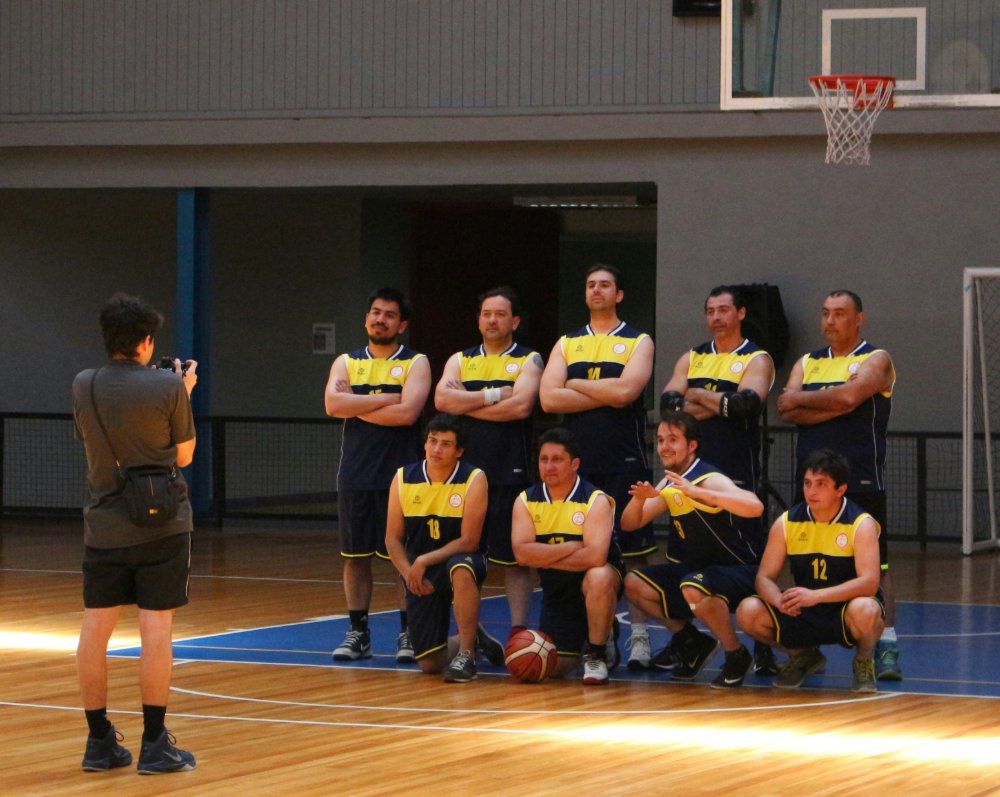
Basketball involves more than physical fitness, technical skills, and competitive performance. It creates valuable opportunities for players to strengthen their communication abilities while developing important leadership qualities. During games and practice sessions, athletes must share information, coordinate movements, and respond to changing situations. Therefore, basketball provides a practical environment where individuals can develop confidence, cooperation, and effective communication habits.
Strong leadership depends on the ability to communicate clearly, listen carefully, and understand the needs of others. Basketball encourages these qualities through structured training, shared responsibilities, and team interactions. Moreover, players learn how their words and actions influence teammates’ confidence and overall performance. As a result, basketball training can help individuals become stronger communicators and more responsible leaders in sports and everyday life.
Understanding the Role of Communication in Basketball
Communication plays an essential role in basketball because players must coordinate their actions while responding to opponents. During offensive and defensive situations, athletes exchange information about positioning, passing opportunities, and strategic adjustments. Therefore, effective communication helps teammates understand their responsibilities and work together toward shared objectives. These experiences encourage players to develop clear and purposeful communication habits.
Furthermore, basketball teaches athletes that successful communication involves both verbal and nonverbal signals. Players use hand movements, eye contact, and body positioning to communicate during fast-paced situations. For example, a teammate may signal for a pass while moving into an open scoring position. Consequently, athletes learn to recognize different forms of communication and respond appropriately, strengthening their awareness and teamwork abilities.
Developing Confidence Through Clear Expression
Confidence allows individuals to communicate their ideas without unnecessary hesitation. Basketball training provides opportunities for players to express instructions, ask questions, and share observations with teammates. During practice, athletes gradually become more comfortable speaking in group settings. Therefore, regular participation can help individuals develop confidence in their communication abilities while strengthening their leadership potential.
Moreover, players learn that confident communication does not require aggressive behavior or excessive authority. Instead, effective communication involves expressing ideas respectfully and providing useful information. For example, a player who calmly explains a defensive adjustment can help teammates understand their responsibilities. As a result, basketball encourages individuals to communicate with confidence, clarity, and consideration for others.
Strengthening Active Listening During Team Practice
Active listening helps basketball players understand coaching instructions and respond effectively to teammates. During structured training sessions, athletes must concentrate on explanations, observe demonstrations, and apply feedback. These activities encourage attention and patience. Therefore, basketball practice provides opportunities to develop listening habits that support stronger communication and successful teamwork.
Additionally, active listening helps players recognize different perspectives and improve their understanding of team strategies. Athletes who carefully consider coaching feedback can identify weaknesses and adjust their performance. For example, a player may improve defensive positioning after listening to instructions about maintaining proper distance from an opponent. Consequently, basketball reinforces the importance of listening before responding or making important decisions.
Improving Team Coordination Through Communication Drills
Communication drills allow basketball players to practice exchanging information while performing physical movements. Coaches may introduce passing exercises, defensive rotations, and offensive positioning activities that require verbal coordination. These exercises encourage athletes to communicate consistently instead of relying entirely on individual judgment. Therefore, structured drills can strengthen teamwork while improving communication accuracy.
Furthermore, communication exercises help players become more comfortable responding to unexpected situations. During defensive drills, teammates may need to announce screens, identify open opponents, or request assistance. For instance, a defender who clearly communicates an approaching screen can help another player adjust positioning. As a result, these training activities encourage stronger cooperation and faster responses during competitive games.
Building Leadership Through Shared Team Responsibilities
Leadership develops when individuals understand how their actions influence others. Basketball encourages players to accept responsibility for their assigned roles while supporting teammates. Every athlete contributes through different activities, including defending, passing, rebounding, and creating scoring opportunities. Therefore, basketball helps individuals recognize that effective leadership involves responsibility, consistency, and commitment to shared goals.
Moreover, leadership opportunities extend beyond team captains and experienced players. Athletes can demonstrate leadership by helping teammates understand instructions, maintaining positive attitudes, and encouraging cooperation. For example, a player who explains a defensive strategy to a younger teammate demonstrates patience and initiative. Consequently, basketball creates opportunities for individuals to develop leadership qualities through everyday interactions and supportive behavior.
Encouraging Respectful Communication and Mutual Understanding
Respectful communication strengthens basketball teams by creating an environment where players feel comfortable sharing ideas. Athletes often have different personalities, experiences, and communication styles. However, successful teamwork requires individuals to recognize these differences and communicate thoughtfully. Therefore, basketball encourages players to develop patience, respect, and understanding while working toward common objectives.
In addition, respectful communication helps prevent unnecessary disagreements during competitive situations. Players may disagree about defensive assignments or offensive strategies, but constructive discussions can help them identify appropriate solutions. For example, teammates who calmly review a missed defensive rotation may discover a simple communication problem. As a result, basketball teaches individuals how respectful conversations can improve cooperation and strengthen relationships.
Developing Emotional Intelligence Through Team Interactions
Emotional intelligence helps individuals recognize their feelings and understand how others respond to challenging situations. Basketball provides opportunities to practice these abilities through competition, feedback, and teamwork. Players may experience frustration after missed shots or disappointment following difficult games. Therefore, athletes must learn to manage their emotions while maintaining respectful communication with teammates.
Furthermore, emotionally aware players can recognize when others need encouragement or additional support. For example, a teammate who notices another player struggling during practice can offer reassurance instead of criticism. This approach strengthens trust and creates a positive learning environment. Consequently, basketball encourages athletes to develop empathy, emotional awareness, and supportive leadership habits.
Strengthening Decision-Making Through Team Discussions
Effective leaders must make thoughtful decisions while considering the opinions and needs of others. Basketball training encourages this process through strategy discussions, practice evaluations, and coordinated game planning. Players often share observations about defensive positioning or offensive opportunities. Therefore, team discussions help athletes develop decision-making skills while strengthening their ability to communicate different ideas.
Additionally, collaborative decision-making teaches individuals to evaluate suggestions before selecting appropriate actions. For example, players may discuss alternative defensive strategies when opponents repeatedly create scoring opportunities. By considering different perspectives, they can identify adjustments that support team performance. As a result, basketball encourages thoughtful leadership and helps athletes understand the value of shared decision-making.
Additional Information
- Blog
- Basketball training, leadership qualities
- Jeb Kratzig