Building Smarter Champions: How Basketball Leadership Drills Develop Stronger Athletes On and Off the Court
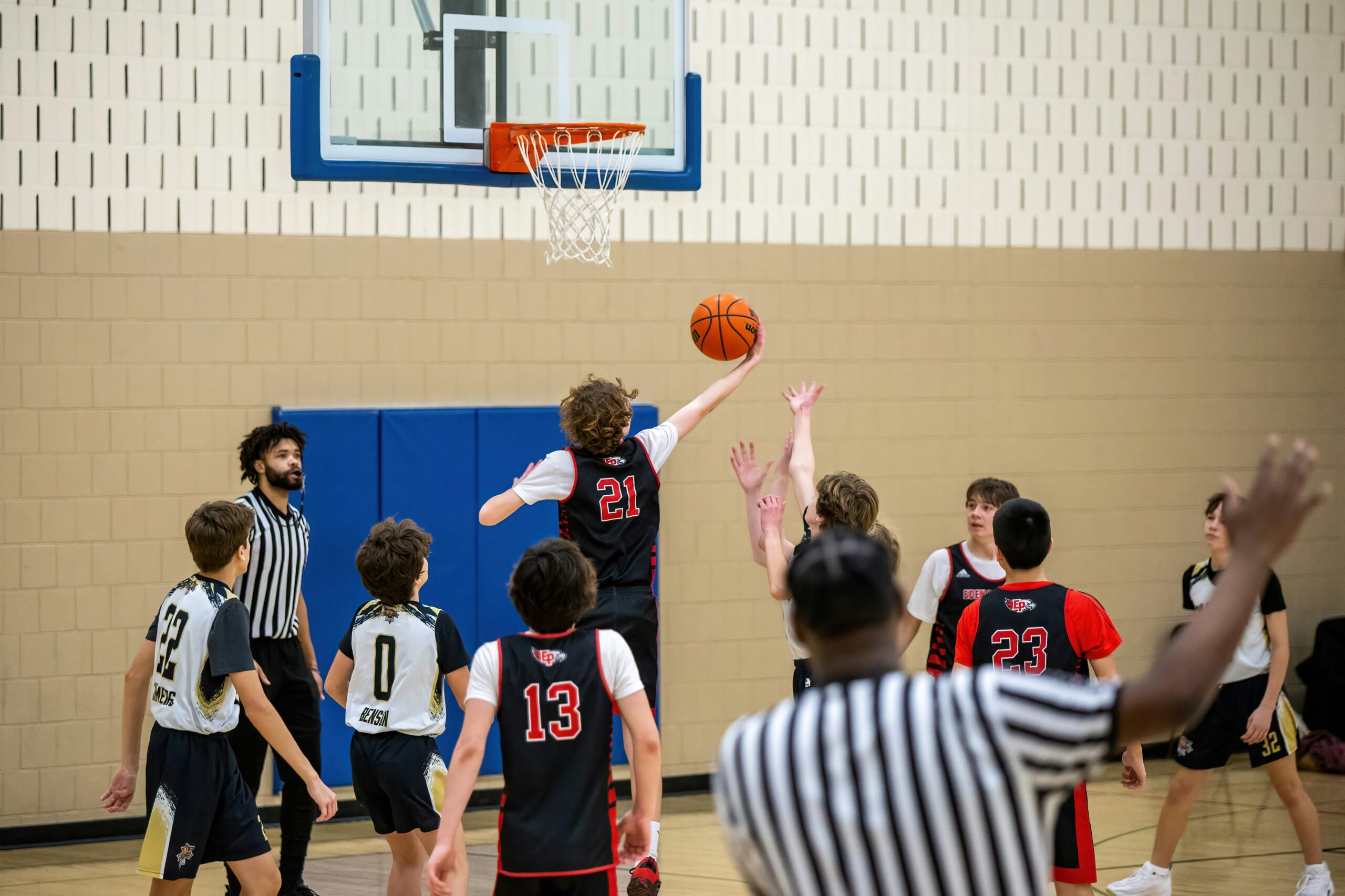
Basketball is more than a game of scoring points, making passes, and defending opponents. It is a powerful environment where athletes learn leadership, communication, discipline, and decision-making skills. The best players understand that true success comes from combining physical ability with mental strength. Through basketball leadership drills, coaches can develop smarter and stronger athletes who know how to handle pressure, support teammates, and make confident choices during challenging moments. These training methods improve basketball performance while also building qualities that help athletes succeed beyond the court.
Modern basketball requires players to think quickly, communicate effectively, and take responsibility for their roles. Therefore, leadership-focused training has become an essential part of athlete development. When coaches introduce purposeful drills that encourage teamwork and accountability, players begin to understand that leadership is not only about being the most talented person on the team. Instead, leadership comes from consistent effort, positive influence, and the ability to bring out the best in others.
The Importance of Leadership Development in Basketball Training
Basketball leadership drills help athletes develop skills that traditional practice routines often overlook. While shooting, dribbling, and defensive exercises improve physical performance, leadership training strengthens the mental and emotional side of the game. As a result, players become more aware of their responsibilities and learn how their actions affect team success. These lessons create athletes who can communicate clearly, solve problems quickly, and remain focused during competitive situations.
Furthermore, leadership development creates a stronger team culture. When players practice encouraging teammates, sharing ideas, and accepting responsibility, they build trust and confidence within the group. A team with strong leadership qualities can recover from mistakes faster because athletes understand how to support each other instead of placing blame. Consequently, leadership drills become a foundation for long-term basketball growth and team improvement.
Building Communication Skills Through Team-Based Drills
Effective communication separates good teams from great teams. Basketball moves at a rapid pace, so players must communicate instantly to make successful decisions. Leadership drills that focus on verbal communication teach athletes how to give clear instructions, listen carefully, and respond positively. For example, defensive communication exercises encourage players to call out screens, rotations, and assignments while maintaining awareness of their teammates.
Additionally, communication-focused drills help athletes develop confidence in their voices. Many young players hesitate to speak during games because they fear making mistakes. However, consistent practice in leadership situations allows them to become more comfortable expressing ideas and providing support. Over time, these athletes become reliable teammates who can guide others and contribute to a more organized and successful basketball environment.
Developing Decision-Making Skills Under Pressure
Great basketball players do not only react; they analyze situations and make smart decisions. Leadership drills that simulate game pressure help athletes improve their ability to think quickly. Through controlled challenges, players learn how to evaluate options, adjust strategies, and choose the best action. Therefore, these drills create basketball athletes who combine skill with intelligent decision-making.
Moreover, pressure-based training prepares players for real competition. Games often involve unexpected situations where athletes must remain calm and confident. By practicing leadership responsibilities during difficult scenarios, players strengthen their mental toughness. As a result, they become more prepared to handle close games, challenging opponents, and moments that require strong judgment.
Creating Accountability Through Basketball Leadership Exercises
Accountability is one of the most important characteristics of successful athletes. Basketball leadership drills encourage players to take ownership of their performance, attitude, and teamwork. Instead of depending only on coaches for guidance, athletes learn to evaluate their own actions and recognize areas where they can improve. This mindset creates responsible players who continuously work toward becoming better.
In addition, accountability strengthens team relationships. When athletes hold themselves and their teammates to high standards, they create an atmosphere built on trust and commitment. Although mistakes are a natural part of basketball, accountable players focus on learning from those moments. Consequently, teams with strong accountability often show greater consistency, resilience, and determination throughout a season.
Improving Teamwork Through Leadership-Focused Practice
Basketball success depends on teamwork because no player can win alone. Leadership drills teach athletes how to understand different roles and appreciate the contributions of every teammate. Whether a player scores the most points or provides defensive energy, every role matters. Therefore, these exercises help athletes develop respect for the entire team.
Additionally, teamwork-focused drills improve cooperation and selflessness. Players learn when to take initiative and when to support others. This balance creates smarter athletes who understand that leadership is not about personal recognition but about helping the team achieve shared goals. Over time, these experiences build stronger connections and create a unified basketball program.
Strengthening Mental Toughness and Confidence
Mental toughness allows athletes to perform at their best even when facing challenges. Basketball leadership drills help players develop confidence by placing them in situations that require responsibility and focus. As athletes practice leading teammates, making decisions, and overcoming obstacles, they become more comfortable handling pressure. Therefore, leadership training plays a major role in building a stronger competitive mindset.
Furthermore, confidence grows when athletes recognize their own progress. Coaches who use leadership drills provide opportunities for players to discover their abilities and improve their weaknesses. This positive development encourages athletes to take greater ownership of their growth. As a result, they become more confident competitors who approach challenges with determination and a willingness to improve.
The Role of Coaches in Creating Future Basketball Leaders
Coaches play a vital role in developing leadership skills among athletes. A successful coach does more than teach basketball techniques; they create opportunities for players to practice responsibility and decision-making. By incorporating leadership drills into regular training, coaches help athletes understand the importance of character, teamwork, and commitment.
Additionally, coaches must create an environment where players feel comfortable taking leadership roles. When athletes receive encouragement and constructive feedback, they become more willing to step forward and contribute. Therefore, effective coaching transforms ordinary practice sessions into valuable learning experiences that prepare athletes for competition and life beyond basketball.
How Leadership Drills Prepare Athletes for Long-Term Success
Basketball leadership drills provide benefits that extend far beyond game performance. The communication skills, discipline, confidence, and teamwork developed through these exercises help athletes succeed in school, careers, and personal relationships. Because basketball teaches individuals how to work with others and overcome challenges, leadership training creates valuable life lessons.
Ultimately, developing smarter and stronger athletes requires more than physical training. Basketball leadership drills create well-rounded players who understand the importance of responsibility, teamwork, and continuous improvement. By combining skill development with leadership education, coaches can build athletes who perform with confidence and inspire others. These lessons create a lasting impact, helping players achieve long-term success both on the court and throughout their lives.
Additional Information
- Blog
- decision-making skills, long-term success, mental toughness
- Jeb Kratzig