Basketball Drills That Make a Sharper Leader On and Off the Court
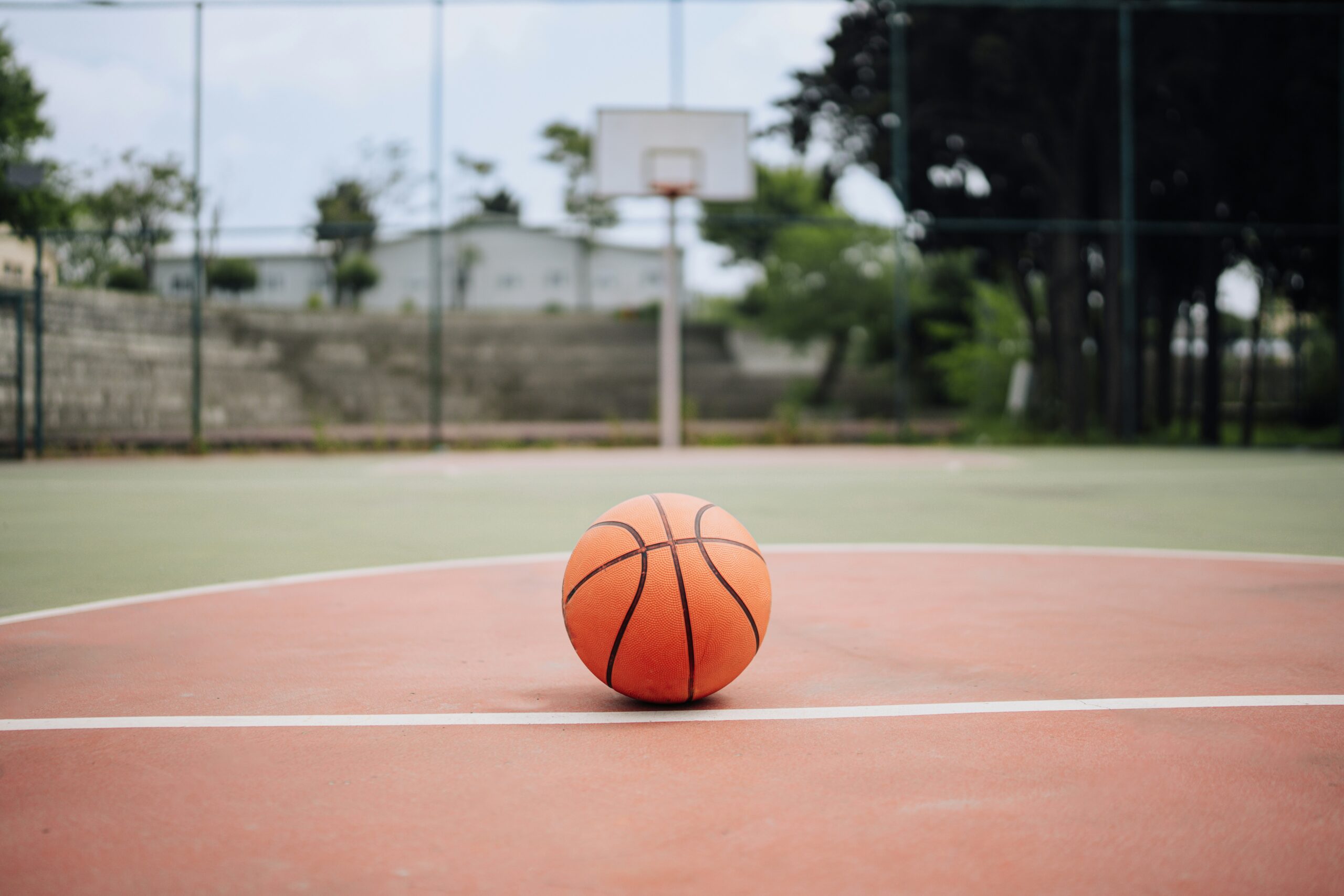
Basketball drills are often seen as ways to build speed, skill, and control. Players use them to improve passing, shooting, defense, footwork, and focus. Yet these same drills can also shape strong leaders. A player who learns how to listen, react, guide others, and stay calm under pressure is not just becoming better at basketball. That player is also learning how to lead.
Leadership does not only happen during speeches or big moments. It shows up in small choices. It appears when a player encourages a teammate, calls out a screen, makes the right pass, or takes blame after a mistake. Basketball drills can train those habits in a clear and active way.
A sharper leader knows how to think fast, communicate well, and serve the team. The right basketball drills help build those traits because they create pressure in a safe setting. They teach players how to act when the pace is high and the team needs direction.
Why Basketball Drills Build Leadership Skills
Basketball drills work because they repeat real game moments. A player may need to pass under pressure, defend without fouling, or make a quick choice near the basket. These moments force the mind and body to work together.
Leadership works the same way. A leader must act with focus when things move fast. A leader must see the whole floor, not just one small part. In basketball, that means knowing where teammates are, where the defense is, and what the best next move should be.
Good basketball drills also teach trust. No player wins alone. Every pass, screen, cut, and rebound connects to someone else. When players learn this, they start to understand that leadership is not about control. It is about helping the group move better together.
Passing Drills That Teach Clear Communication
Passing drills are some of the best basketball drills for leadership growth. They require eye contact, timing, voice, and trust. A pass only works when both players understand the plan.
The three-man weave is a strong example. Players must run lanes, pass at the right time, and stay aware of movement. If one player slows down or stops talking, the drill breaks. This teaches a simple lesson. Leaders must communicate early and clearly.
Chest pass and bounce pass drills can also help. Coaches can ask players to call the receiver’s name before each pass. This small habit builds confidence. It also trains players to speak with purpose.
A quiet team often becomes a confused team. A loud and clear team moves with more trust. Passing drills show players that communication is not extra. It is part of the job.
Defensive Drills That Build Accountability
Defense is where leadership often becomes visible. It takes effort, patience, and pride. Defensive basketball drills teach players to take responsibility for their role.
Shell drill is one useful drill. Players learn help defense, closeouts, rotations, and team awareness. Each player must guard their space while also helping teammates. If one player fails to rotate, the defense gives up an easy shot.
This drill teaches accountability. A leader does not blame others first. A leader asks, “What was my job?” Then the leader fixes the mistake.
Closeout drills also build strong habits. Players must sprint, slow down, raise their hands, and stay balanced. This teaches control under pressure. A leader cannot rush into every problem. A leader must arrive with energy but stay steady.
Defense also teaches humility. Some good plays do not show up in the scorebook. A player may stop a drive, force a bad pass, or box out well. Leaders understand that quiet effort still matters.
Ball-Handling Drills That Improve Focus
Ball-handling basketball drills train more than the hands. They train focus, patience, and self-control. A player must keep the ball under control while watching the floor.
Stationary dribbling drills are a good place to start. Players can work on low dribbles, crossovers, between-the-legs moves, and change-of-speed moves. The goal is not just style. The goal is control.
A leader also needs control. When pressure rises, a leader must not panic. Ball-handling drills teach players to stay calm while making quick moves.
Cone dribbling drills add another layer. Players must move through tight spaces and change direction. This teaches problem solving. The path may not always be open, so the player must adjust.
A sharper leader does the same thing. When one plan fails, the leader does not freeze. The leader finds another path and keeps the team moving.
Shooting Drills That Strengthen Confidence
Shooting drills help players build confidence through routine. A good shooter does not trust luck. A good shooter trusts practice.
Form shooting is a simple but powerful drill. Players start close to the basket and focus on balance, hand placement, follow-through, and rhythm. This drill teaches patience. It reminds players that small details matter.
Leadership also depends on small details. A leader must show up on time, listen well, and stay ready. These simple habits build trust over time.
Pressure shooting drills are also useful. For example, a player may need to make five free throws before leaving the gym. Another drill may ask a player to shoot after running sprints. These drills create stress.
A leader must perform when tired, nervous, or watched by others. Shooting drills help players learn how to breathe, reset, and trust their work. Confidence grows when players see that practice can carry them through pressure.
Rebounding Drills That Teach Effort and Timing
Rebounding is about desire, timing, and position. It is one of the clearest ways to see effort on the court. Rebounding basketball drills teach players to fight for space and finish the play.
Box-out drills are a great leadership tool. Players learn to make contact, hold position, and track the ball. This drill shows that success often starts before the ball comes down.
Leaders also think ahead. They do not wait for problems to land. They prepare early and put themselves in the right place.
Team rebounding drills can teach shared effort. One player may box out while another grabs the ball. This shows that teamwork can turn a hard moment into a win.
Rebounding also builds mental toughness. A missed shot is not the end of the play. A leader understands this well. When something goes wrong, the next action still matters.
Fast-Break Drills That Shape Quick Decisions
Fast-break drills are some of the best basketball drills for decision-making. They force players to think while moving at full speed.
A three-on-two fast-break drill is a strong example. The offense has an advantage, but it still must make the right choice. Should the ball handler pass, drive, or pull up? Should a wing cut to the rim or spot up? The answer changes each time.
This drill teaches leaders to read situations. A good leader does not use the same answer for every problem. A good leader looks, thinks, and then acts.
Fast-break drills also teach trust. The ball handler must believe teammates will run hard and fill the lanes. Teammates must believe the pass will come at the right time.
Leadership depends on that same trust. People move better when they believe the leader sees them and values their role.
Team Drills That Create Shared Responsibility
Team basketball drills bring all leadership lessons together. They combine communication, effort, skill, and trust. They also help players learn that leadership can come from anyone.
Five-on-five controlled scrimmages can be very useful. Coaches can stop play and ask players what they saw. This helps players learn to explain choices, not just make them.
Another helpful drill is a no-dribble scrimmage. Players must move, pass, cut, and talk. Since no one can dribble, the team must work together. This drill teaches patience and shared problem solving.
Leadership grows when players learn to value movement without the ball. Not every leader needs to score. Some leaders create space, set screens, encourage others, and make the next right play.
The best teams do not depend on one voice. They build many voices that support the same goal.
How Coaches Can Use Drills to Grow Leaders
Coaches can turn basketball drills into leadership lessons with a few simple steps. First, they can explain the purpose behind each drill. Players should know what skill they are building and what leadership habit connects to it.
Second, coaches can rotate leadership roles. One player can lead warmups. Another can call out defensive rotations. Another can explain the next drill. These small chances help players practice leading in real time.
Third, coaches can reward effort, communication, and smart choices. Points and made shots matter, but they are not the only signs of growth. A player who talks on defense, helps a teammate, and stays calm after a mistake is showing leadership.
Basketball drills become more powerful when players understand the bigger lesson. They are not only learning how to win games. They are learning how to lead people.
Basketball drills can make players faster, stronger, and more skilled. They can also make them sharper leaders. Passing drills teach communication. Defensive drills teach accountability. Ball-handling drills teach focus. Shooting drills build confidence. Rebounding drills teach effort. Fast-break drills improve decisions. Team drills create shared responsibility.
A strong leader is not built in one speech or one game. Leadership grows through daily habits. It grows through practice, pressure, mistakes, and teamwork.
That is why basketball drills matter so much. Each drill gives players a chance to build both skill and character. When players learn to see, speak, act, and serve the team, they become more than better athletes. They become sharper leaders on and off the court.
Additional Information
- Blog
- Jeb Kratzig