How Basketball Drills Build Strong Leaders On and Off the Court
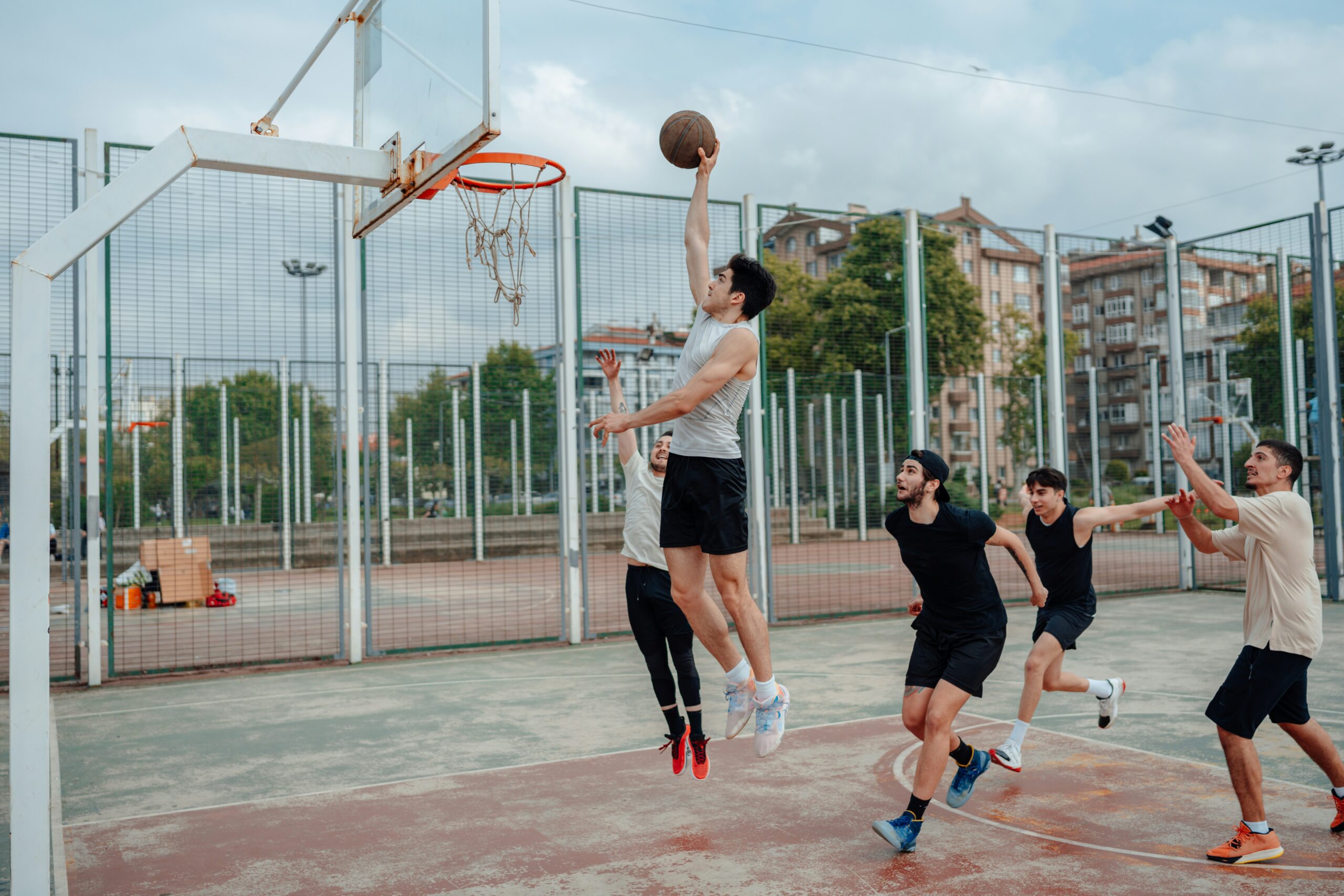
Basketball drills improve more than shooting, passing, and defense. They create situations where players must communicate, make quick decisions, and support teammates under pressure. Drills build leadership skills because they force athletes to act with discipline while keeping the group’s needs in mind. Over time, these lessons shape players who guide others with confidence, patience, and accountability. Those qualities matter during games and also transfer into school, work, and community life.
Basketball Drills Teach Clear Communication
Strong leaders communicate before problems grow. Many drills require players to call screens, direct teammates, identify open space, and warn others about defensive movement. Athletes learn that silence can hurt the entire group. Clear communication keeps everyone connected and reduces confusion during fast action.
Communication drills also teach players to adjust their message. A teammate may need encouragement after a mistake, while another needs direct instruction. Players learn to read people as well as plays. This ability supports effective team leadership because good leaders understand both timing and tone.
Repetition Builds Discipline and Personal Accountability
Leadership begins with dependable habits. Basketball training demands effort, even when drills feel difficult or familiar. Players must arrive prepared, follow instructions, and complete each repetition with purpose. Practice teaches athletes that strong results often come from ordinary actions performed well.
Drills also make individual responsibility visible. A missed defensive rotation or lazy pass can disrupt everyone involved. Instead of hiding mistakes, players recognize their role in the outcome. This habit builds accountability in sports and prepares athletes to accept responsibility in other areas of life.
Decision-Making Drills Develop Confidence Under Pressure
Many basketball exercises place players in situations with limited time and options. A player may need to pass, shoot, drive, or reset within seconds. Because play moves quickly, athletes cannot wait for perfect certainty. They must gather information, choose an action, and accept the result.
That process develops confident decision-making without encouraging careless choices. Players learn to scan the court, judge risk, and trust their preparation. Moreover, they discover one poor decision does not define the next possession. Strong leaders use the same mindset when facing uncertainty beyond sports.
Teamwork Exercises Teach Leaders to Serve Others
Basketball leadership skills grow when players understand that leadership is not control. Many drills succeed only when teammates create space, set screens, make extra passes, and cover defensive gaps. These actions may not draw attention, yet they often determine a team’s success.
Through teamwork, athletes learn to value contributions that statistics may not capture. They begin noticing effort, positioning, communication, and sacrifice. Leadership becomes less about personal recognition and more about helping others perform well. That service-based approach strengthens trust within any team.
Competitive Drills Build Emotional Control
Competition exposes frustration quickly. During intense drills, players may lose possessions, miss shots, or disagree with calls. However, the next play usually begins within seconds. Athletes must control their reactions to stay useful to teammates.
This repeated emotional reset develops composure under pressure. Players learn anger can narrow attention and damage communication. Instead, they practice recovering quickly and focusing on the next task. Off the court, this skill helps leaders handle criticism, setbacks, and conflict without impulsive choices.
Rotating Roles Create Adaptable Team Leaders
Coaches often change roles during practice. A scorer may become a passer, while a starter may lead a reserve group. A quiet player may direct a drill. These changes help athletes see things from different perspectives. Players become more flexible in how they lead.
Adaptable leaders know when to speak, when to listen, and when to support someone else. Basketball drills create opportunities to practice those shifts. Furthermore, role changes reduce the idea that leadership belongs only to captains or top scorers. Every player can influence standards and team culture.
Feedback Teaches Players How to Learn and Improve
Effective drills include feedback from coaches and teammates. Players hear corrections about footwork, spacing, effort, timing, and decision-making. At first, criticism may feel uncomfortable. Yet repeated exposure teaches athletes to separate useful information from personal emotion.
Leaders need that same learning mindset. They must receive feedback without becoming defensive, then apply it to improve performance. Basketball training also teaches players to give feedback constructively. Helpful leaders correct problems while protecting respect, motivation, and group trust.
Shared Goals Strengthen Leadership Habits
Drills often have measurable targets, such as completing passes, earning stops, or reaching a shooting percentage. These goals give players shared standards. Everyone understands what success requires, which helps the group coordinate effort and track progress.
Shared targets also teach leaders to connect daily work with larger outcomes. A difficult drill becomes meaningful when players understand its purpose. Likewise, effective leaders explain why a task matters instead of demanding effort without context. Purpose creates stronger commitment and more consistent performance.
Lessons That Continue Beyond the Court
The strongest value of basketball training shows up when these habits carry over into everyday life. Communication, accountability, decision-making, emotional control, and service all support leadership beyond sports. Players who practice these behaviors repeatedly gain practical experience leading under pressure.
Basketball drills cannot automatically turn every athlete into a great leader. However, they create frequent chances to practice leadership in real team situations. When players reflect on those lessons, basketball leadership skills become lasting tools. Those tools can guide classrooms, workplaces, families, and communities with greater confidence, discipline, and awareness.
Additional Information
- Blog
- Jeb Kratzig