Stop Managing Like a CEO and Start Leading Like a Golfer
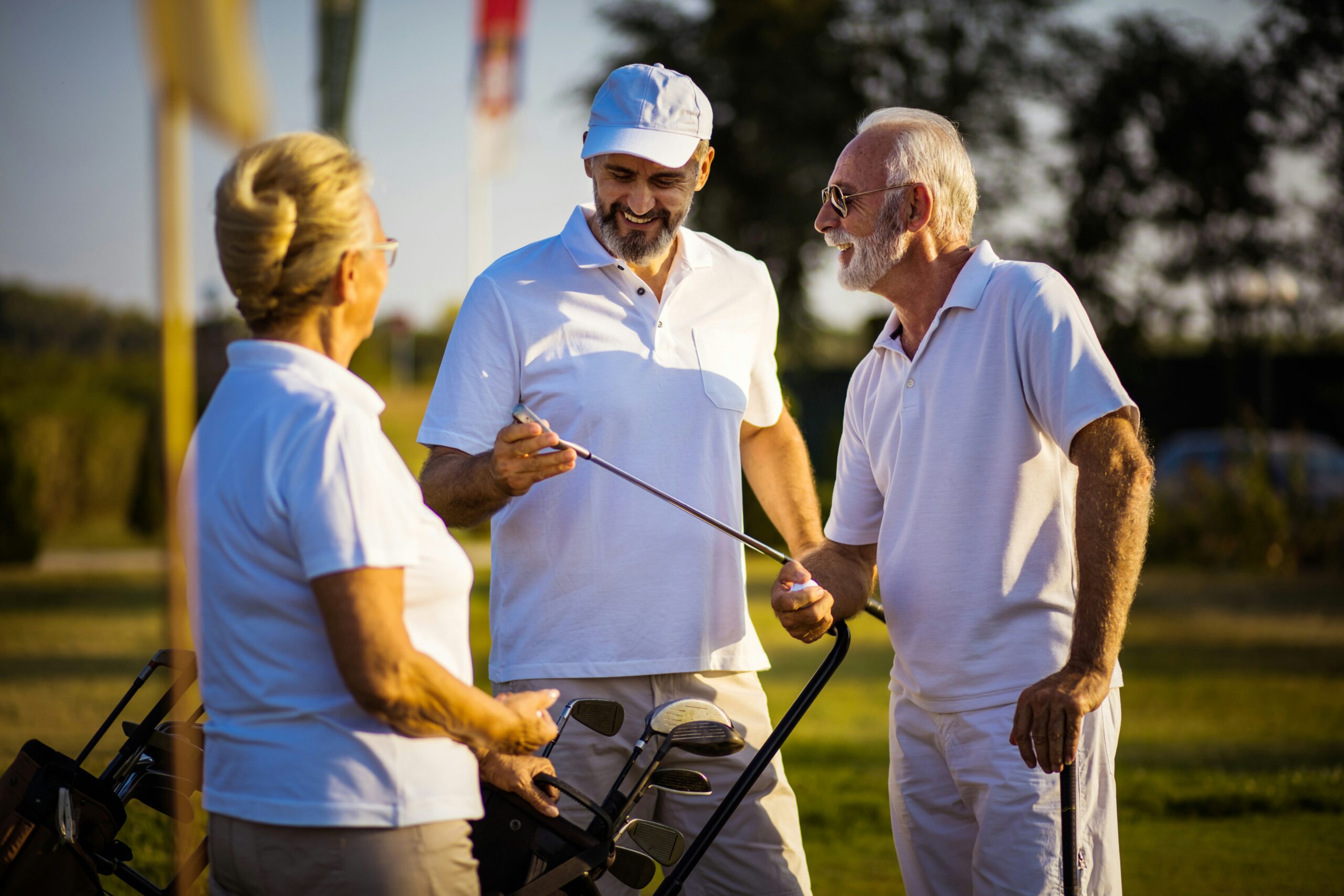
Great leadership rarely comes from rigid control or constant oversight. Instead, it emerges from awareness, adaptability, and trust in the process. This article explores why leaders should stop managing like a CEO and start leading like a golfer. By adopting a golfer’s mindset, leaders can achieve better results through focus, timing, and precision.
Introduction to Leading Like a Golfer
Traditional leadership models often glorify the CEO as an all-seeing controller. However, modern organizations demand a different approach. Therefore, leaders must rethink how they influence performance—leading like a golfer emphasizes strategy, patience, and situational awareness. This mindset supports sustainable growth and stronger teams.
Why Managing Like a CEO Limits Leadership Growth
Many executives rely on command-and-control habits learned early in their careers. As a result, they often confuse activity with impact. Managing like a CEO can create bottlenecks and reduce accountability. Moreover, excessive control discourages initiative and creativity.
Leadership today requires adaptability across changing conditions. However, rigid management styles struggle under uncertainty. Therefore, leaders must maintain constant oversight. They should instead focus on direction, context, and trust.
The Golfer’s Mindset and Modern Leadership
Leading like a golfer means focusing on each shot, not the entire course. Similarly, effective leaders address challenges one decision at a time. They assess conditions, select tools, and commit fully. Consequently, this approach reduces anxiety and improves execution.
Golfers also accept that perfection remains impossible. However, they still pursue excellence through preparation and reflection. Leaders benefit from this mindset because it encourages learning. Moreover, it supports resilience in the face of setbacks.
Focus and Presence in Golfer-Style Leadership
Golf demands intense focus for brief moments. Therefore, golfers train themselves to remain present. Leaders can apply this principle during meetings and decisions. Focused attention improves clarity and reduces reactive behavior.
Managing like a CEO often rewards constant availability. However, constant interruption reduces strategic thinking. Leading like a golfer values deliberate pauses and thoughtful action. As a result, leaders make better choices under pressure.
Decision-Making Under Pressure Like a Golfer
Every golfer faces pressure before a critical shot. However, they rely on routine and preparation. Leaders face similar pressure during high-stakes decisions. Therefore, consistent decision frameworks matter.
Leading like a golfer means trusting preparation instead of panic. Moreover, it involves accepting risk without rushing. This approach contrasts sharply with CEO-style micromanagement. Consequently, teams gain confidence and stability.
Course Management and Strategic Leadership
Golfers rarely aim directly for the flag. Instead, they consider hazards, wind, and terrain. Leaders should manage organizations the same way. Strategic leadership requires understanding context before acting.
Managing like a CEO often focuses solely on quarterly targets. However, leading like a golfer considers long-term positioning. Therefore, leaders balance ambition with realism. This balance supports sustainable performance.
Feedback, Adjustment, and Continuous Improvement
Golfers analyze each round to improve future performance. Similarly, leaders must regularly reflect on outcomes. Feedback enables adjustment without blame. Moreover, it fosters a culture of learning.
CEO-style management often treats mistakes as failures. However, golfer-style leadership treats them as data. Therefore, teams feel safer experimenting. This safety drives innovation and engagement.
Trusting the Team Like a Golfer Trusts the Swing
Once a golfer begins the swing, doubt ruins execution. Leaders face a similar challenge with delegation. Leading like a golfer means trusting the team once direction is clear. Consequently, micromanagement decreases.
Managing like a CEO often pulls leaders back into details. However, excessive involvement signals mistrust. Therefore, leaders should set expectations and step back. This trust empowers others to perform.
Emotional Control and Leadership Composure
Golf exposes emotional weaknesses quickly. Therefore, successful golfers master emotional control. Leaders also need composure during stress. Calm leadership stabilizes teams during uncertainty.
CEO-style leadership sometimes rewards visible authority. However, authority without composure creates fear. Leading like a golfer emphasizes steady confidence. As a result, teams remain focused and motivated.
Leading Like a Golfer in Organizational Culture
Culture reflects leadership behavior more than stated values. Therefore, leaders must model golfer-style discipline and patience. Small behaviors signal priorities every day. Moreover, consistency builds credibility.
When leaders stop managing like a CEO, culture shifts naturally. Teams take ownership and think strategically. Consequently, performance improves without constant oversight.
The future of leadership demands adaptability, focus, and trust. Therefore, leaders must stop managing like a CEO and start leading like a golfer. This shift reduces friction and improves results. Ultimately, golfer-style leadership builds resilient organizations prepared for long-term success.
Additional Information
- Blog
- Jeb Kratzig