Basketball Teamwork Drills Build Leadership Skills Fast Pros
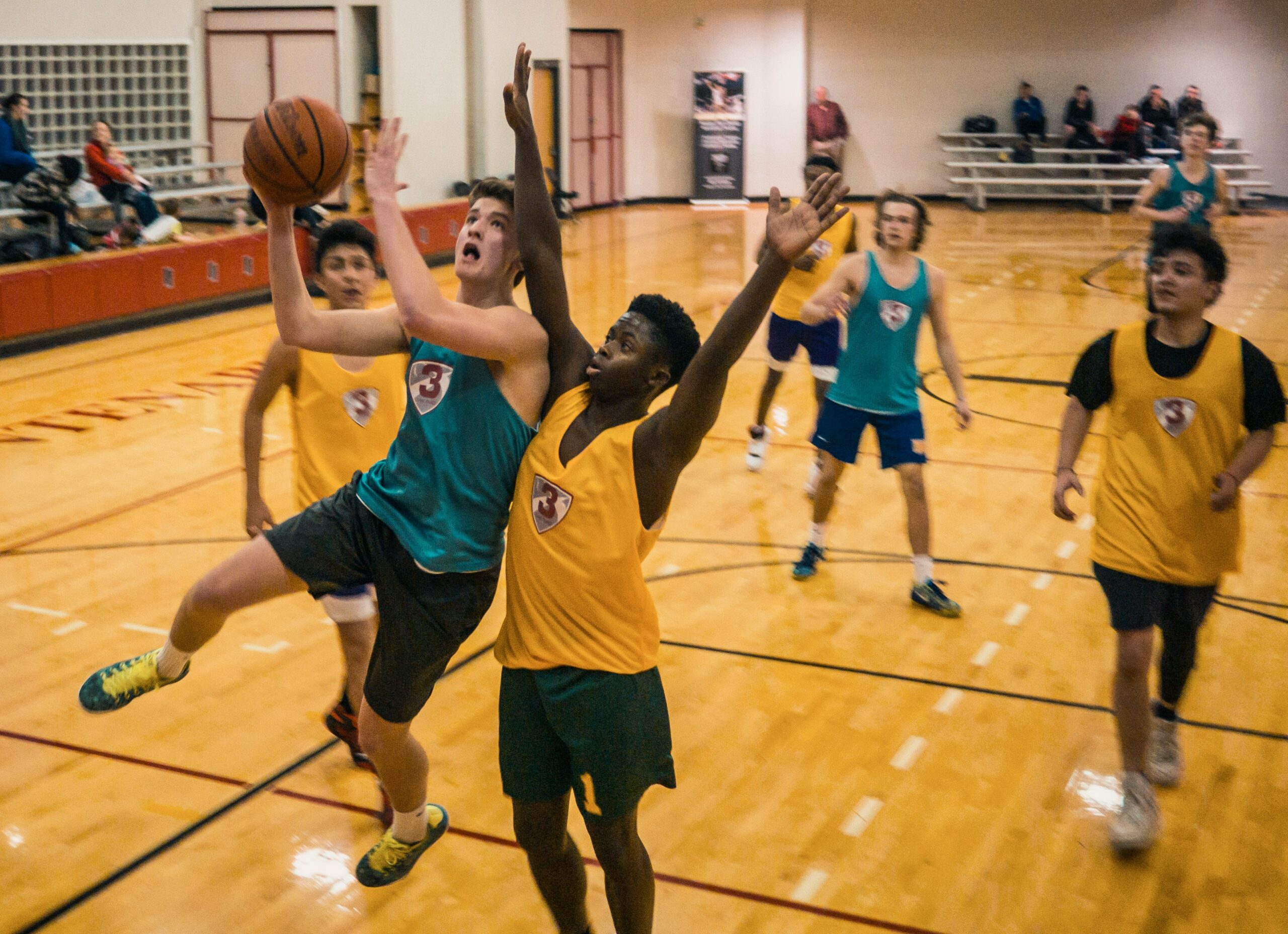
Basketball teamwork drills do more than improve passing and spacing. They shape leaders. When players move, talk, and trust each other, they grow into confident decision-makers. As a result, coaches can build strong teams while also teaching effective life skills that last beyond the court.
Leadership does not come from talent alone. Instead, it grows through habits, repetition, and shared effort. That is why basketball teamwork drills play such a key role in player growth. They teach athletes how to guide others, stay calm under pressure, and work toward a common goal.
Why Basketball Teamwork Drills Build Leaders
Basketball demands constant interaction. Players must read each other, react fast, and adjust in real time. Because of this, teamwork drills create a natural space for leadership to develop.
When players communicate during drills, they learn how to express ideas clearly. At the same time, they learn how to listen. These skills form the base of strong leadership. Moreover, drills often place players in different roles, helping them learn to lead and support simultaneously.
In addition, teamwork drills create shared challenges. When a group works through a tough drill, they build trust. Trust allows players to step up and lead without fear. Therefore, leadership grows in a safe and supportive setting.
How Communication Drills Shape Leadership
Clear communication drives every great basketball team. Without it, even skilled players struggle to succeed. That is why communication drills sit at the heart of leadership development.
For example, simple passing drills can include verbal cues. Players must call out names, signal movements, and give quick feedback. As a result, they stay engaged and aware. Over time, they gain confidence in speaking up.
Furthermore, communication drills teach timing. Players learn when to speak and when to act. This balance helps them lead without overwhelming others. Consequently, they become more effective both on and off the court.
Building Trust Through Teamwork Exercises
Trust forms the backbone of leadership. Without trust, players hesitate. With trust, they act with purpose. Basketball teamwork drills help build this trust step by step.
When players rely on each other to complete a drill, they develop a sense of accountability. Each action matters. Therefore, players begin to take ownership of their role. This sense of responsibility leads directly to leadership.
Also, teamwork drills often require players to support each other. Whether they set screens or rotate on defense, they must think as a group. As a result, they learn to value team success over personal stats.
Encouraging Decision-Making on the Court
Leaders make decisions. In basketball, those decisions happen fast. That is why drills should challenge players to think and react.
Small-sided games work well for this purpose. They create more touches and more choices. As a result, players must read the game and make quick decisions. Over time, they grow more confident in their instincts.
Moreover, coaches can rotate leadership roles during drills. One player might call plays, while another sets the tempo. This approach gives every athlete a chance to lead. Therefore, leadership becomes a shared responsibility.
Developing Accountability Through Repetition
Consistency builds strong habits. Basketball teamwork drills offer repeated chances to practice leadership. Each repetition reinforces positive behavior.
For instance, players who lead warm-ups take charge of the group. They set the tone for the session. As a result, they learn how to guide others with energy and focus.
At the same time, teammates learn to respect leadership. They follow directions and support the group goal. As a result, the team develops a culture of accountability.
Creating a Positive Team Culture
A strong team culture supports leadership growth. Basketball teamwork drills help create that culture through shared effort and clear goals.
When players celebrate small wins during drills, they build confidence. Positive feedback encourages them to keep improving. In turn, leaders emerge who motivate others.
Additionally, drills that require cooperation reduce selfish play. Players see the value of working together. Therefore, they begin to prioritize team success over individual gain.
Adapting Drills for Different Age Groups
Coaches should adjust basketball teamwork drills based on age and skill level. Younger players need simple tasks that focus on basic communication. Older players can handle more complex situations.
For youth teams, fun and engagement matter most. Drills should include movement and interaction. This keeps players active while teaching the basics of leadership.
On the other hand, advanced players benefit from high-pressure drills. These situations test decision-making and composure. As a result, leadership skills grow under real game conditions.
The Role of Coaches in Leadership Development
Coaches guide the process, but they should not control every moment. Instead, they should create space for players to lead.
By asking questions during drills, coaches encourage players to think. For example, they might ask why a play worked or failed. This approach builds awareness and confidence.
Furthermore, coaches should model strong leadership. Their behavior sets the standard. When they communicate clearly and stay positive, players follow that example.
Long-Term Benefits of Basketball Teamwork Drills
The impact of basketball teamwork drills extends beyond the court. Players carry these skills into school, work, and life.
Leadership learned through sports teaches discipline and resilience. Players learn how to handle success and failure. They also learn how to support others.
In addition, teamwork builds strong relationships. Players form bonds that last for years. These connections create a sense of belonging and purpose.
Building Leadership Through Basketball
Basketball teamwork drills offer a powerful way to build leadership skills. They combine communication, trust, and decision-making into one process. As a result, players grow into confident and capable leaders.
When coaches focus on teamwork, they shape more than athletes. They shape individuals who can lead in any setting. Therefore, every practice is an opportunity to build both skill and character.
By using basketball teamwork drills with intention, teams can unlock their full potential. Leadership will not appear overnight. However, with consistent effort, it will grow stronger every day.
Additional Information
- Blog
- effective life skills, leadership skills, positive behavior
- Jeb Kratzig