Basketball Drills That Shape Sharper, Stronger Leaders
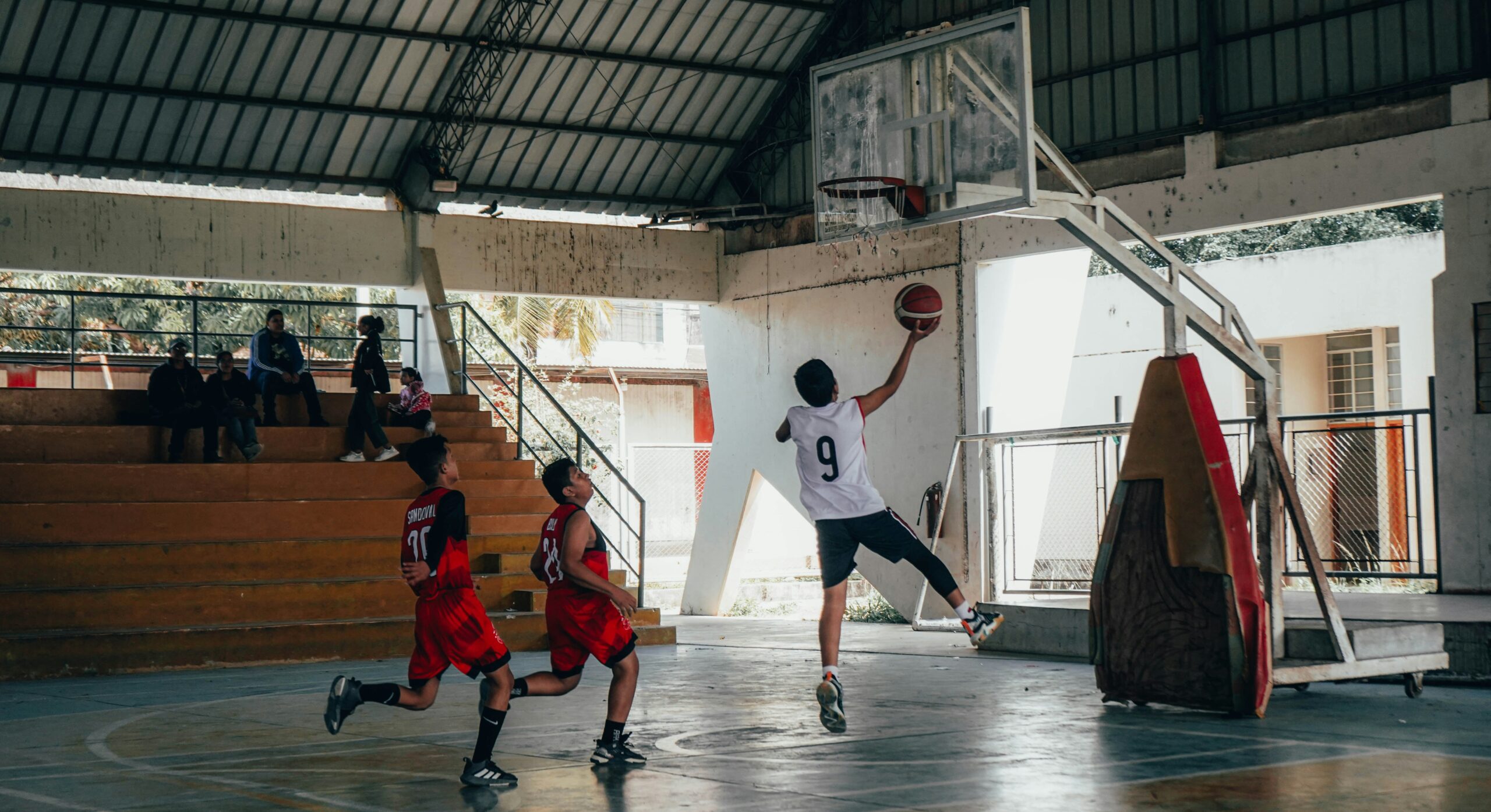
Basketball does more than build athletic ability. It shapes decision-makers, communicators, and confident leaders. Every fast break, defensive switch, and clutch shot demands more than talent. Players must think clearly, speak confidently, and guide teammates through pressure-filled moments.
That is why basketball stands out as a powerful leadership sport. The game constantly tests how players respond to challenges, setbacks, and responsibility. When athletes practice the right drills, they improve far beyond shooting and footwork. They develop leadership habits that sharpen their mindset and strengthen their role on the team.
Basketball drills for leadership help players grow into dependable voices, quick thinkers, and composed competitors. Let’s explore the training exercises that create sharper leaders on and off the court.
Why Leadership Matters in Basketball Development
Leadership shapes every successful basketball team. A leader communicates plays, motivates teammates, and stays calm when the game gets intense. Strong leaders also build trust, which helps teams perform under pressure.
Even young athletes benefit from leadership development early. When players learn leadership through basketball training, they start taking ownership of effort, attitude, and execution. They stop waiting for direction and start influencing outcomes.
Additionally, basketball rewards players who stay vocal, focused, and mentally tough. These qualities define leadership just as much as scoring points.
Communication Drills That Create Vocal Team Leaders
Great leaders speak up consistently. Basketball forces communication because every possession changes quickly. Players must call out screens, rotations, and defensive assignments.
One of the best basketball drills that make a sharper leader involves defensive communication. During a defensive shell drill, players must talk nonstop. They call “help,” “switch,” or “ball” as the offense moves. This drill trains athletes to lead with their voice while staying locked into positioning.
Another powerful drill is the controlled fast-break weave. Coaches assign one player as the floor leader. That player directs spacing, signals movement, and keeps the drill organized. As a result, athletes build confidence through clear communication.
Furthermore, communication drills teach players how to guide others without hesitation. That skill becomes essential in real games.
Decision-Making Drills That Sharpen Court Leadership
Leadership requires smart decisions in real time. Basketball moves fast, so players must process information quickly.
Read-and-react drills improve this ability immediately. In these drills, the defense forces unpredictable movement. The ball handler must scan the floor, recognize options, and deliver the right pass or drive. This builds leadership through awareness and quick judgment.
Small-sided games also accelerate leadership growth. When players compete in three-on-three situations, each athlete touches the ball more often. They must talk, make choices, and adjust constantly. This increases responsibility and strengthens leadership instincts.
Most importantly, decision-making drills train athletes to stay composed while leading through action.
Accountability Drills That Build Ownership and Discipline
Sharp leaders take responsibility. They hold themselves accountable and inspire teammates to do the same.
Coaches often use consequence-based drills to reinforce discipline. For example, turnover-response drills require an immediate reset after mistakes. Players sprint back into position and refocus instantly. This teaches mental toughness and ownership.
Another effective leadership exercise involves captain-led scrimmages. Coaches assign captains who handle substitutions, strategy, and communication during play. These players must lead under pressure, which strengthens confidence and authority.
Because accountability drives success, these basketball workouts for leadership create stronger team culture.
Pressure Drills That Strengthen Emotional Control
Leaders stay calm when the game feels intense. Basketball often includes high-pressure moments such as final free throws or last-second defensive stands.
Free-throw pressure ladders build mental strength. Players must hit key shots while teammates watch. That moment simulates real-game tension. Athletes learn focus, confidence, and emotional control.
Clock-management drills also develop leadership. Coaches create scenarios with limited time, forcing players to execute quickly. Athletes must communicate and stay composed, even when stress rises.
Over time, these drills help players respond with clarity instead of panic. That response defines sharp leadership.
Teamwork Drills That Develop Servant Leadership
Basketball leaders do not chase personal glory. They elevate teammates and prioritize team success.
Assist-focused drills teach this mindset. One example involves the extra-pass shooting drill. Players must deliver an additional pass before taking a shot. This builds patience, trust, and unselfish play.
Coaches also reward playmaking during scrimmages by tracking assists instead of points. Players begin valuing teamwork over statistics.
As a result, athletes learn that leadership means creating opportunities for others. That servant mindset builds stronger teams and stronger individuals.
Drills That Train Leaders to Stay Consistent
Consistency separates average players from true leaders. Great leaders bring effort every day, not only during games.
Warm-up leadership rotations help develop this habit. One player leads stretching, footwork, or ball-handling prep. This gives athletes responsibility early in practice.
Additionally, coaches encourage leaders to guide huddles, speak during breaks, and support teammates after mistakes. These actions build dependable leadership routines.
When basketball leadership training becomes daily behavior, players begin leading naturally without forcing it.
Basketball Leadership Skills That Transfer Beyond the Court
The best part of leadership development through basketball is its lifelong impact.
Players who master communication become confident speakers in school and work. Athletes who learn accountability grow into reliable teammates in every environment. Those who stay calm under pressure handle real-life stress more effectively.
Basketball drills that make a sharper leader do not only shape athletes. They shape future professionals, mentors, and community leaders.
In fact, the court becomes a classroom for leadership growth. Every drill teaches responsibility, focus, teamwork, and resilience.
Final Thoughts on Basketball Drills That Make a Sharper Leader
Basketball provides one of the strongest environments for leadership development. The game forces players to think quickly, communicate clearly, and support others consistently.
When athletes commit to basketball drills for leadership, they grow beyond physical performance. They develop sharper minds, stronger voices, and deeper confidence.
From decision-making drills to pressure training and teamwork exercises, every practice offers a chance to lead.
A sharper basketball leader does more than win games. They inspire teams, build trust, and carry leadership lessons into every part of life.
Additional Information
- Blog
- confident leaders, handle substitutions, teamwork exercises
- Jeb Kratzig